


What is Baking Powder?
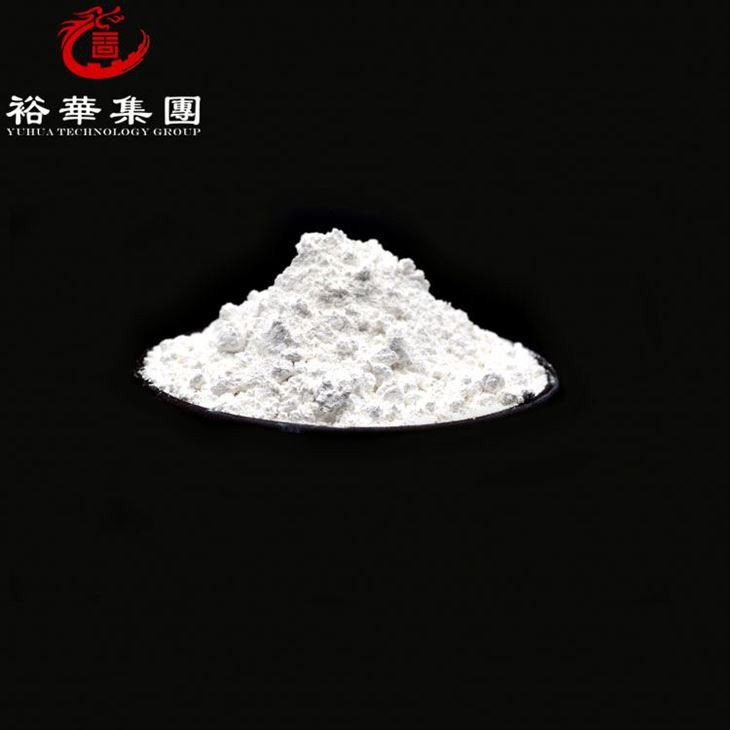
Baking powder is a dry chemical leavening agent, a mixture of a carbonate or bicarbonate and a weak acid. The base and acid are prevented from reacting prematurely by the inclusion of a buffer such as cornstarch.
Advantages of Baking Powder
Acidity Balance
Baking soda needs acidic ingredients to activate its leavening properties. In recipes without acidity or acidic ingredients, adding baking powder helps provide the necessary acid to react with the baking soda. Baking powder already contains acidic ingredients, so it can provide the needed acidity in these situations.
Desired Texture and Flavor
Baking powder can have different effects on the texture and flavor of baked goods, and using baking powder allows recipe developers to achieve the desired balance of proof, texture and flavor.
Swelling Control
Baking powder is often considered a "double-acting" leavening agent, meaning it releases gas both when it comes in contact with liquid and during the baking process. This two-stage reaction allows for a more controlled and extended fermentation time, which is especially beneficial for recipes that require longer baking times or require gradual fermentation.
Recipe Specificities
Certain recipes may require baking powder due to tradition or specific desired results, depending on the recipe requirements and desired results.


Why Choose Us

Strictly control the procurement
Insist on quality first, pursuing the concept of integrity, keep quality promise, to comply with state laws and regulations and relevant standards, establish a good corporate reputation and social image, win the trust of the community and win market, improve customer satisfaction and customer

Customer service
Focusing on customer needs, strict systems, precise management, precise operations, exquisite services, and creating a first-class brand.

Expanding trade
On the basis of product quality, attention to the market, improve the company′s trade margins. Establish sophisticated global sales network.
Highly experienced
The enterprise has an experienced and rigorous management system, which pays special attention to quality of products and audit of suppliers, and regards it as the core content of the company's operation.
Single-acting baking powders
Single-acting baking powder produces most of its gas immediately when mixed with liquid. They are classified according to the type of acid used. Those containing powdered tartar and tartaric acid (C4H606) will rapidly produce gas when mixed with baking soda and liquid. These batters must be cooked quickly or they will fall flat. Slower single-acting baking powders are phosphate baking powders containing calcium phosphate (Ca3O8P2) or disodium pyrophosphate (H2Na2O7P2). Aluminum sulfate (AI2012S3) powder reacts slowly at room temperature but can impart a bitter taste to the batter.
Double-acting baking powders
Most commercial baking powders are double-acting. This means that when mixed with a liquid, a small amount of gas will initially be released. The first generation of gas occurs when the batter is heated during cooking. These types of powders keep the batter in an uncooked state for a longer period of time. Double-acting baking powder usually contains two acids, one that reacts immediately and another that reacts when heated.
Material of Baking Powder
Baking powder is a compound additive mainly used in the production of flour products and puffed foods. Baking powder contains many substances, the main components of which are sodium bicarbonate and tartaric acid. Usually a compound of carbonate and solid acid. When carbonates come into contact with water and acid, they dissociate into several substances. During this process, carbon dioxide is released, but no flavor substances are produced. Therefore the taste of the product is not affected.
The Purpose Of Baking Powder
Promote Digestion
Baking powder is rich in probiotics, which can regulate intestinal flora, promote gastrointestinal peristalsis, and help digestion and absorption of food. Moderate consumption can improve indigestion.
Nutritional Supplements
Baking powder is rich in protein, vitamins, minerals and other nutrients. Moderate consumption can supplement the nutrients needed by the human body and has certain benefits for the body.
Provide Energy
Lorem ipsum dolor sit amet consectetur, adipisicing elit. Recusandae quaerat modi iusto rem esse obcaecati quidem voluptatum maxime veniam maiores asperiores fugit reiciendis, quasi labore nobis quam eligendi ducimus excepturi?
Promote Metabolism
Baking powder is rich in lactic acid bacteria, which can promote gastrointestinal peristalsis, facilitate the digestion and absorption of food, and speed up the metabolism in the body, which is beneficial to physical health.
Increase Appetite
Baking powder is rich in lactic acid bacteria, which can promote gastrointestinal motility, facilitate food digestion and absorption, and enhance appetite. If you have a loss of appetite, you can eat baking powder appropriately to improve it.
Deodorizer
Baking powder can be used to absorb unpleasant odors in refrigerators, closets, and shoes. Simply place an open container of baking powder in the area and let it absorb the odor.
How to Test Baking Powder for Freshness?
-
Gather a small amount of baking powder from your container.
-
Place the baking powder in a small bowl or cup.
-
Add a splash of hot water to the baking powder.
-
Observe the reaction between the baking powder and the hot water. Fresh baking powder should produce an immediate effervescence or bubbling, indicating that it is still active and potent.
-
If the baking powder exhibits a vigorous bubbling reaction, it is likely fresh and can be used in your recipes with confidence.
-
However, if the baking powder does not produce a significant reaction or if the reaction is weak or delayed, it is an indication that the baking powder has lost its effectiveness and freshness. In such cases, it is advisable to replace it with a fresh batch for optimal leavening results in your baking.

Temperature and humidity considerations
When it comes to storing baking powder, temperature and humidity play a crucial role in maintaining its quality. Baking powder is sensitive to moisture, so it's important to keep it in a cool, dry place. Avoid storing it near the stove or any other heat source, as exposure to high temperatures can cause the powder to lose its potency. Humidity can also lead to clumping, rendering the baking powder ineffective. So, find a spot in your kitchen that is away from steam, moisture, and direct sunlight. Remember, a cool and dry environment will keep your baking powder ready to work its magic in your delicious creations!
Packaging and container options
When it comes to storing baking powder, choosing the right packaging and container is crucial. Opt for airtight options to prevent moisture and air from seeping in. Look for containers made of materials like glass or metal, which can provide better protection against humidity. Avoid using plastic containers as they may not be as effective in maintaining freshness. If you prefer to transfer baking powder from its original packaging, ensure that the new container is clean and dry before transferring. Remember, a well-sealed container is the secret ingredient to keeping your baking powder fresh and ready to work its magic in your recipes!
Avoiding contamination
To ensure the longevity and freshness of your baking powder, it's crucial to avoid contamination. Nobody wants their baked goods to taste funky! So, here are some tips to keep your baking powder pristine. First, always use clean and dry utensils when scooping out the powder. Moisture can lead to clumping and spoilage. Second, avoid storing baking powder near strong-smelling substances like spices or cleaning agents, as it can absorb odors. Lastly, seal the container tightly after each use to prevent moisture and air from sneaking in. Remember, a little extra effort in keeping your baking powder uncontaminated goes a long way in producing delicious treats!
Certifications

Our Factory
Our company is the first to create sodium bicarbonate specifically for feed, which has been professionally recognized by the entire feed industry and has become the first brand of sodium bicarbonate applied in the feed industry.

FAQ
Q: What is baking powder vs baking soda?
Q: Is baking powder necessary for baking?
Q: What is baking powder formula?
Q: How do I substitute baking powder?
Q: What happens if you accidentally use baking powder instead of baking soda?
Q: Can I skip baking powder?
Q: What happens if you mix vinegar and baking powder?
Q: What will happen to cookies without baking powder?
Q: Can you make your own baking powder?
Q: What are the 3 ingredients in baking powder?
Q: Can I use lemon juice instead of baking powder?
Q: Can you bake without baking powder or yeast?
Q: Can I use cornstarch instead of baking powder?
Q: What exactly is baking powder?
Q: Can I use flour instead of baking powder?
Q: What ingredient to avoid in baking powder?
Q: Can I bake with any powder?
Q: Do you still need baking powder for cake flour?
Q: What is the rule of baking powder?
Q: Can you use baking powder in laundry?
Hot Tags: baking powder, China, manufacturers, suppliers, factory, wholesale, buy, low price, made in China, Baking Powder, Baking Soda Food Colorants, Baking Soda Effervescent Agent, Sodium Bicarbonate Used As PH Buffer, Bicarbonate Of Soda, Baking Soda Raising Agent


